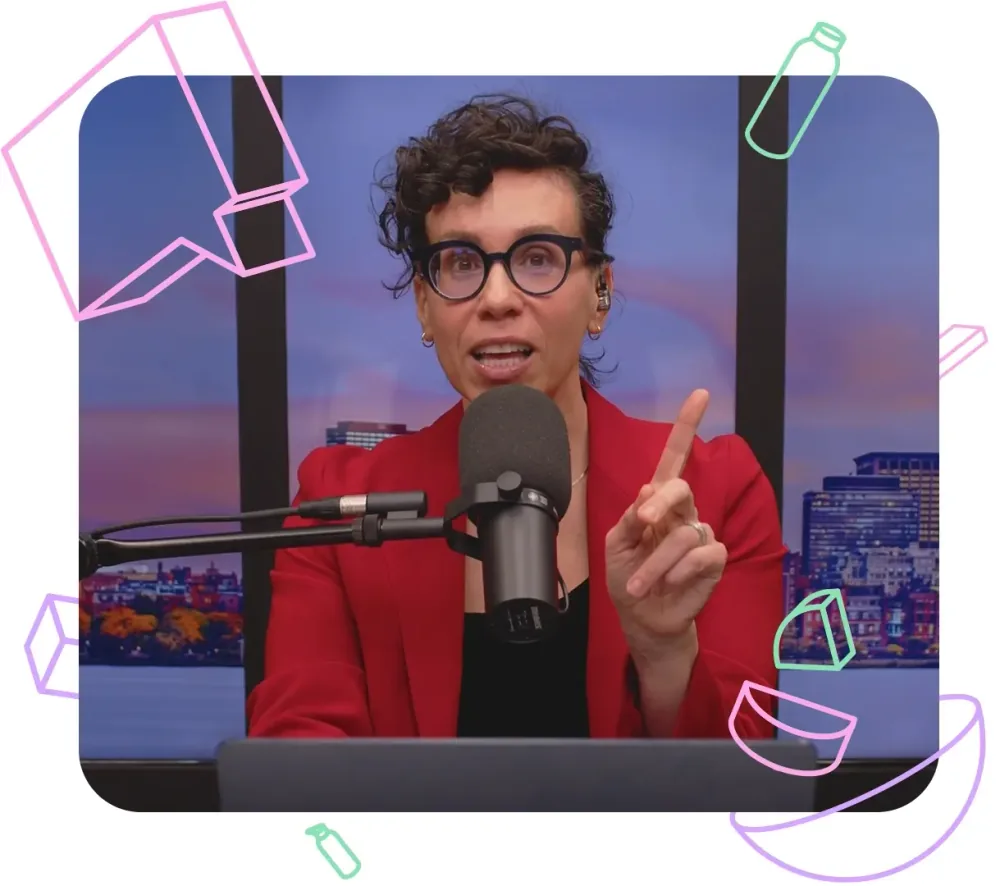
BevNET Live Los Angeles is nearly here! Hosted in Marina Del Rey on Dec 6-8, we have a full agenda of speakers ready to dive into the major trends, issues and innovations driving the beverage industry today. This week’s episode features BevNET senior reporter Brad Avery and editor-in-chief Jeff Klineman discussing some of the most exciting panels and presentations you can expect to see on stage, including sessions with the entrepreneurs behind brands such as Juni, Oats Overnight and WellWithAll, a marketing case study with Primo Brands, an up-to-the-minute update on the hemp category and pending regulatory shakeups, and a celebrity founder interview with actor Seth Green about his RTD cocktail brand Hellbent. Along the way, Brad and Jeff also share their tips for making the most of your time at BevNET Live.What You Will LearnThe vision behind the speakers’ presentations and what lessons you can expect to take away from the agenda.How to approach networking at BevNET Live and why the “flat hierarchy” of the event means you can and should ask the speakers whatever questions you’d like.What retailer meetings at BevNET Live are like and who you can expect to see at the show.A rundown of the Sunday sessions on spirits and THC products and the presentations planned for the opening day of the event.
November 24, 202623 mins

Introducing a novel food or beverage takes more than a great product. It takes smart positioning, relentless consumer education and a retail strategy that gives shoppers a reason to take a chance. This week’s episode features two founders bringing traditional dairy products to American consumers. Nicole Vereczkey, founder of Etelka, and Ilay Karateke, co-founder of BEZI, discuss how they’re bringing traditional European and Middle Eastern dairy products to American consumers while building businesses designed to scale. The founders also share lessons on simplifying product messaging, earning retail shelf space, driving trial and velocity, managing manufacturing and distribution, and navigating the operational challenges of perishable products. Along the way, they explain why disciplined growth, the right retail partners and a willingness to say no can be just as important as having a product consumers love. What You Will LearnHow to introduce unfamiliar food products by connecting them to familiar categories, occasions and consumer needs.Why sampling, clear product messaging and strategic packaging are essential to driving trial and repeat purchases.How to convince retail buyers that a new category can deliver incremental sales, strong velocity and value to the shelf.Why operational discipline, cold-chain management and deliberate market expansion are critical to scaling perishable CPG brands
November 17, 202653 mins

Input and ingredient costs are a constant concern for CPG operators, but, against the current backdrop of geo-political disruption and persistent inflation, it’s more important than ever. This week’s episode features two brand leaders who are in the thick of those battles right now: Loren Castle, founder and CEO of Sweet Loren’s, and Ahat Caskurlu, co-founder and CEO of Peppertux. Bringing perspective and insight from years spent building their respective brands in the CPG trenches, both entrepreneurs break down the critical decisions and strategies that have helped them survive and thrive amidst ingredient market turmoil.You will learn:How to defend margins and smartly deploy financial resources during a period of rapid growth.Why timing is critical for taking pricing action and how brands can strategize those increases to give distributors and retailers the required runway to adapt.Tactics for navigating soaring input costs while managing cash flow, protecting product quality and maintaining relationships with key retail partners.How entrepreneurs are using AI to improve workflows, extract insights from large data sets, and assist with forecasting.
November 10, 202646 mins

As major food and beverage companies move away from artificial dyes, demand for natural colors is putting new pressure on supply, pricing and product development. Even brands that have used natural colors from day one could feel the impact. Can Koyuncu, Co-Founder and CMO of Chapter Foods; Tessa Porter, Owner and President of Sprinkk; and Maxi Heidenblut, Founder and CEO of Häppy Candy, break down what's changing, why natural colors are so challenging to work with, and how brands can protect their products, margins and supply chains.You will learn:How to secure natural color supply when larger brands are competing for the same ingredientsWhich colors are most vulnerable to shortages and what alternatives are worth exploringWhy a color that passes R&D can still fail months later, and how to test for itWhen matching your product's original color is worth the cost—and when a different look makes more senseHow to calculate the true cost of natural colors beyond the ingredient price, including formulation, processing and shelf-life risks
November 3, 202644 mins

Today’s functional beverage shoppers aren’t just buying energy or hydration. They’re buying a feeling, like focus to get through the afternoon or a calming ritual to wind down at night. In this episode, Melissa Traverse sits down with Brittney Strickland, Director of Marketing, Foodservice, and Emily Riha, R&D Scientist, of Vibrant Ingredients. They discuss how “tempo drinking” is reshaping product briefs, how to separate lasting social trends from passing fads, and the real trade-offs behind popular functional ingredients like adaptogens, magnesium and L-theanine. They also cover why flavor has to match function, and what it takes to get a formula from the bench to the production line. Sponsored by Vibrant Ingredients.
October 27, 202646 mins

Consumers are increasingly turning to AI to discover products and decide what to buy. But how do you get your brand recommended? Deana Burke, co-founder of tech media company Boys Club, has studied thousands of AI shopping searches and even got a fictional brand recommended in just three weeks. She shares what she's learned about the new AI shelf and practical ways brands can improve visibility, stand out from competitors and get recommended.You will learn:How AI platforms decide which brands to recommendHow to find searches where you can outperform competitorsWhat website and product information improves AI visibilityHow to test your brand's visibility across AI platforms and spot missed opportunitiesHow smaller brands can compete with established players for AI recommendations
October 20, 202647 mins

What makes investors want to bet on a founder? Rogers Healy, founder of Morrison Seger Venture Capital Partners, sees countless investment opportunities a day but pursues very few. So what makes a founder stand out? This conversation reveals what investors look for beyond the numbers, the qualities and behaviors that attract them or send them running, and how founders can make themselves and their brands more attractive to investors.You will learn:What makes an investor bet on a founder, even when they're not sold on the productHow to demonstrate relentless drive without crossing the line into arroganceHow to identify and leverage passionate consumer communities as proof of demandHow your social media presence can attract investors or raise red flagsWhy knowing your weaknesses and surrounding yourself with the right people makes you more investable
October 13, 202640 mins

The obvious path to growth isn’t always the right one for your product. Burlap & Barrel has built a successful spice business by making some decidedly unconventional choices about where it sells, how it reaches consumers and what it refuses to compromise. Founder Ethan Frisch joins Sourcery founder Bhavna Kolakaluri, to dig into the creative ways brands can work around the realities of their products instead of forcing them into a growth model that doesn’t fit.You will learn:How to decide whether coveted retailers like Whole Foods and Trader Joe’s actually make sense for your businessHow to sell a product that’s difficult to sample through traditional in-store demosHow to make a premium product feel worth the money when consumers are watching their spendingHow to work around long production cycles using multiple sales channels and other operational strategiesHow changing something as simple as case-pack size can make your product work for smaller retailers
October 6, 202651 mins

When your product has several compelling benefits, which one should lead?Jous founders Nicolas Jeffery and Camilo Ortiz sit down with Chris Robb of Supernatural Ventures and The Angel Group to work through how to sharpen the story behind their magnesium-infused juice, make the product easier to understand, and build a stronger strategy for growth.You Will Learn:How to determine which of your product’s benefits should lead your positioningWhen a functional ingredient strengthens your story and when it complicates itHow to make an unfamiliar product immediately understandable to consumersHow positioning can change your competitive set, shelf placement, and growth opportunitiesHow to test whether your current brand story is actually driving trial and repeat purchase
September 29, 202647 mins
Every brand eventually changes something big — price, packaging, format, the category it sits in — and that puts existing distribution on the line. After raising its prices to match true production costs, Vermont Creamery walked away from an unprofitable Walmart relationship, then earned its way back into 400 stores. Tuyyo Foods fell off roughly 1,100 doors of shelf space after a merger brought a full rebrand and repackaging. Harrison Kahn, President and GM of Vermont Creamery, and Stephanie Garcia Turner, co-founder and CCO of Tuyyo Foods, break down how to make a major change and still get your retail partners to come along for the ride.You will learn:How to notify and prep retail buyers before a repackaging or UPC change, so your product doesn't quietly fall off shelfWhat to do when a retailer's promotional demands push your pricing below what your product actually costs to makeHow to build a compelling case for re-entry after leaving a retailer, including what data and proof points actually move a buyerHow to prioritize which retail partners and categories to carry forward after a merger or repositioning, instead of trying to keep everyoneWhat to do the moment a retailer signals your velocity is too low and discontinuation is on the table
September 22, 2026
Kendall Kransdorf, founder of Cotto, a whipped cottage cheese dip, on a hero ingredient with a short shelf life and high demand - a combination that forces hard operational decisions. Mary Kate Kloeblen, a supply chain consultant and co-fouder of Golden Thread Operations, walks through where Cotto is actually losing shelf life (it's not always the formula) and what to fix instead.You will learn:How LTL refrigerated shipping can quietly eat days of usable shelf life before a product even reaches a warehouseHow to build formulation flexibility so a supply shortage on your hero ingredient doesn't stall productionWhen to move production closer to your distribution centers, and how colocation reduces both transit risk and quality issuesWhy GS1 rules mean even a small product change can force a new UPC, and how to avoid retail errors because of itHow to structure IP and manufacturing agreements during a tech transfer so you don't lose ownership of your own process
September 15, 2026

Charlie New is the Global Category Merchant for Refrigerated Beverages at Whole Foods Market, overseeing coffee, tea, juice, and soda. He's spent years watching what separates brands that build lasting shelf presence from brands that stall. In this episode, he walks through how he'd approach building a brand, from spending strategy to team building.You will learn:Where Whole Foods Market shoppers are trading down, and where they're still paying a premiumHow the path into Whole Foods Market actually works, from local foragers to global category managersWhich certifications and claims actually matter to shoppers, and how that shifts by categoryWhat separates functional beverage brands that succeed from those that struggle to find a laneHow brands with a cultural or community-rooted story can expand without losing what made them workWhere Charlie would put his money first if he were building a brand today
September 8, 2026