

Beyond the Donation: How H2ALL Is Rethinking Cause Marketing


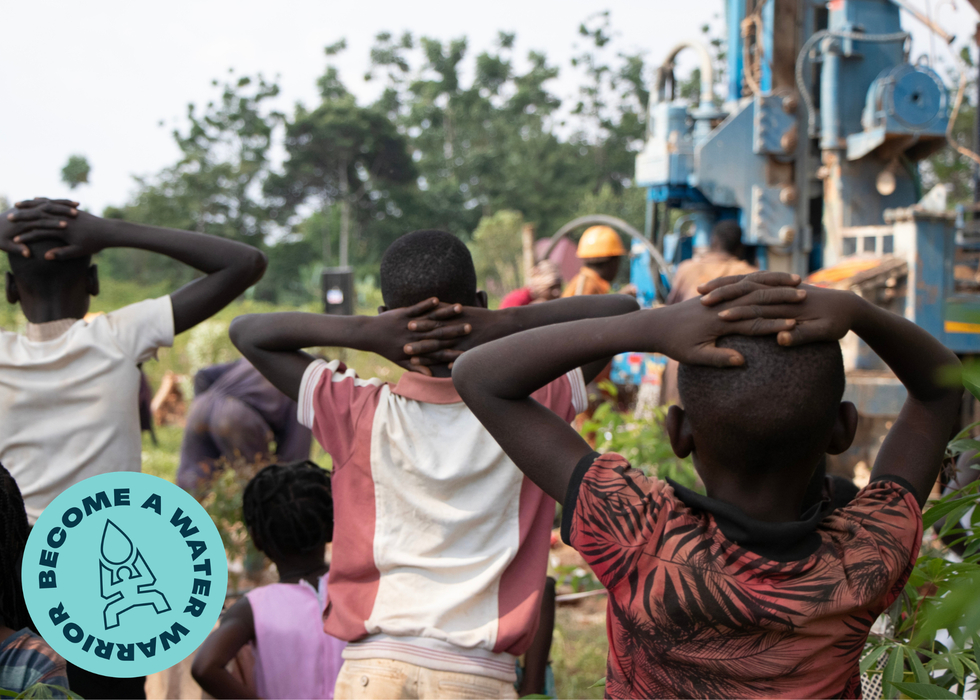
H2ALL and its certified charity partner, Generation U, are redefining clean water philanthropy by investing in the education, maintenance, and economic opportunities that help communities thrive long after a water project is completed.
When a community gains access to clean water, it is often celebrated as the end of a journey. A well is completed, clean water begins flowing, and another community is added to the list of those served.
But what happens next?
For H2ALL and its certified charity partner, Generation U, that question is just as important as getting clean water to the community in the first place.
Across underserved communities in Uganda, access to clean water represents far more than a solution to an immediate need. It can become the foundation for improved health, increased school attendance, agricultural development, and new economic opportunities.
Yet realizing that potential requires more than installing a water system. It requires education, continued maintenance, local employment, and a long-term commitment to the people who depend on it.
Because building a well changes a community's present. Ensuring it continues to serve that community can change its future.
The Problem With Measuring Success at Installation
Access to clean water remains one of the world's most pressing humanitarian challenges. Organizations around the globe invest in wells, boreholes, and water infrastructure to help address it.
But the completion of a water project does not automatically guarantee lasting access.
Without ongoing maintenance, community education, and local involvement, water systems can deteriorate or become unusable. What was once a promising investment in a community's future can become another piece of infrastructure that no longer serves its intended purpose.
This raises an important question about how the success of clean water initiatives should be measured.
Is success determined by the number of wells installed? Or by the number of years those wells continue to improve people's lives?
For H2ALL and Generation U, the answer extends well beyond construction.
Their approach recognizes that sustainable access to clean water requires protecting both the infrastructure and the health of the people who depend on it.
Importantly, this work is led by a team of Ugandans who understand the communities they serve. From drilling and maintenance to health education, Generation U works alongside local government leaders and community members to build solutions rooted in local knowledge, participation, and long-term sustainability.
Clean Water Alone Isn't Enough to Prevent Disease
Providing clean water is an essential step toward improving public health, but access alone does not eliminate the risk of waterborne illness.
Even water collected from a safe source can become contaminated if it is stored in an unclean container or handled without proper hygiene.
That is why Generation U's work extends beyond building wells and into the everyday habits that help families stay healthy.
Through its dedicated Water, Sanitation, and Hygiene (WASH) team, made up of Ugandan professionals, Generation U provides community education designed to help residents understand how germs spread and how preventative practices can reduce the risk of illness.
The team teaches community members how to properly wash their hands, why it is important to keep drinking water containers clean, and how maintaining a sanitary environment helps prevent the spread of germs.
Education also includes practical activities such as soap-making classes, giving community members knowledge they can apply in their daily lives.
These lessons address an often-overlooked aspect of clean water initiatives: providing safe water is only part of the solution. Ensuring it remains safe from the source to the point of consumption is equally important.
By combining water infrastructure with locally led hygiene education, Generation U helps communities develop habits that can continue protecting families long after a well is installed.
From Clean Water to Classrooms
For children in communities without reliable access to safe drinking water, the consequences can extend directly into the classroom.
Waterborne illnesses can cause students to miss school, interrupt their education, and place additional strain on families.
By providing access to clean water and teaching preventative hygiene practices through Generation U's WASH program, H2ALL and Generation U are helping address some of the health challenges that can interfere with a child's education.
When children are healthier, they have a greater opportunity to attend school consistently, participate in their education, and pursue their goals.
But the connection between water and education doesn't stop there.
Water can also support brick production, creating building materials that communities can use to construct schools and other essential infrastructure.
In communities where locally produced bricks have been used to build schools, water plays a role in something much larger than the original project.
What begins as an investment in clean water can become a foundation for healthier students, stronger educational infrastructure, and greater opportunities for future generations.
Water as an Economic Resource
Clean water is essential for survival, but its potential to support economic development is often overlooked.
In agricultural communities, reliable water access can support crop production, strengthen food security, and create opportunities for families to generate income.
Agriculture provides more than food for households. When growing conditions and resources allow, it can create opportunities to sell crops, support local markets, and strengthen economic independence.
Water also plays an important role in industries such as brickmaking and construction.
The ability to produce building materials locally can help communities develop infrastructure while creating opportunities for economic activity.
These benefits demonstrate how access to water can become a foundation for broader community development.
A water project may begin as an investment in public health, but its potential extends into education, agriculture, infrastructure, and economic opportunity.
The well itself is only one part of the story. What communities can build with continued access to water is another.
Investing in People, Not Just Projects
For H2ALL and Generation U, creating lasting change means investing in more than water infrastructure. It means investing in the people who will carry that progress forward.
Rather than simply directing funding into communities and moving on to the next project, the partnership supports a locally led approach that creates employment opportunities, develops skills, and encourages community ownership.
From drilling wells and maintaining water systems to leading health education and soap-making classes, the work is carried out by Ugandans. These efforts provide meaningful work for local professionals while keeping knowledge, expertise, and responsibility rooted in the country and communities the projects serve.
Generation U also works alongside local government leaders and community members to ensure projects are developed with local participation rather than imposed from the outside.
This approach reflects a larger philosophy: sustainable development isn't about creating a cycle of dependence on outside assistance. It's about helping people build the resources, skills, and opportunities to shape their own futures.
By supporting local employment and investing in Ugandan-led solutions, H2ALL and Generation U are working toward something bigger than the completion of a water project.
Because lasting change isn't just about what you build for a community. It's about what you empower that community to build for itself.
A Commitment That Continues Long After Construction
For many clean water initiatives, the installation of a well is the most visible milestone. But for the families who rely on that water every day, its continued operation is what matters most.
Generation U addresses this challenge through its Uganda-based team, which oversees the drilling and ongoing maintenance of water systems. A designated individual is responsible for maintaining each well, helping ensure the infrastructure continues functioning and serving the community after installation.
This work is carried out in collaboration with local government leaders and community members, helping establish a shared commitment to the long-term success of each project.
This ongoing maintenance works alongside the education provided by its WASH team, creating a more comprehensive approach to sustainable water access.
While maintenance helps protect the physical infrastructure, education helps protect the health of the people using it.
Both are essential.
A functioning well provides access to clean water. But without proper hygiene practices, that water can become contaminated before it is consumed. Similarly, education alone cannot replace the need for reliable, functioning infrastructure.
By addressing both sides of the equation, Generation U's approach recognizes that sustainable access to clean water requires continued investment in people as well as infrastructure.
At the heart of this approach is a commitment to empowering communities rather than creating long-term dependence. By investing in Ugandan professionals, working with local leadership, and involving community members in the process, the partnership helps strengthen the knowledge, skills, and local ownership needed for communities to sustain progress and build toward greater self-reliance.
This long-term commitment is a key part of what distinguishes the partnership between H2ALL and Generation U.
Rather than viewing construction as the conclusion of a project, the organizations recognize that the work must continue if the benefits are to last.
The goal isn't simply to build something that works today. It's to help ensure it continues working for the people who need it tomorrow.
A Different Approach to Clean Water Philanthropy
H2ALL was founded on the belief that everyday consumer choices can help address one of the world's most fundamental human needs.
Through its bottled water products, H2ALL connects everyday hydration to clean water initiatives in underserved communities. For every bottle purchased, the company contributes funding equivalent to one gallon of clean water.
Its technology-driven platform also gives consumers an opportunity to engage with the projects their purchases help support, creating a connection between people purchasing water in the United States and communities benefiting from clean water initiatives in Uganda.
Through its partnership with Generation U, H2ALL supports a model that looks beyond the initial installation of water infrastructure.
The partnership recognizes that the true value of a clean water project is not simply the moment water begins flowing, but the opportunities that continued access can create over time. By employing Ugandan professionals, collaborating with local leadership, and investing in education and ongoing maintenance, H2ALL and Generation U support an approach that puts people at the center of sustainable development.
From improved hygiene and healthier families to educational opportunities and economic development, clean water can become a foundation upon which communities build their futures.
This approach also challenges consumers to think differently about what their purchases can accomplish.
A bottle of water purchased during a grocery run, at a convenience store, or on the way to practice can contribute to something much larger than the immediate transaction.
It can become part of an ongoing investment in a community's future.
The Bigger Story Begins After the Water Starts Flowing
A completed well is worth celebrating. It represents progress toward addressing a fundamental human need.
But the true potential of clean water becomes visible in the years that follow.
It can be seen in children who are healthy enough to spend more time in classrooms. In families applying hygiene practices that help prevent illness. In farmers cultivating crops. In bricks that become school buildings. And in water systems that continue serving communities because someone is responsible for keeping them operational.
Behind this progress are Ugandan professionals, local leaders, and community members working together to create solutions designed to last. Their involvement is essential to building a future in which communities have the knowledge, resources, and ownership to continue moving forward.
These outcomes do not happen automatically.
They require education, maintenance, local expertise, and an ongoing commitment to the people who depend on the infrastructure.
For H2ALL and Generation U, that is why the work cannot end when the well is built.
Because the ultimate goal is not simply to bring clean water to a community.
It is to help ensure that clean water continues improving lives for generations to come.
For more information: Learn more
Tagged companies
The news on this page was provided by a third party. BevNET.com, Inc. does not verify, endorse, or vouch for any information or content submitted by third parties, or verify the identity, credentials, or expertise of third parties. Please consider carefully the source of all information and content provided by third parties on this website.