

Champion quality, everyday price: why Bristol Beer Factory says cask is the pub's best-value pint


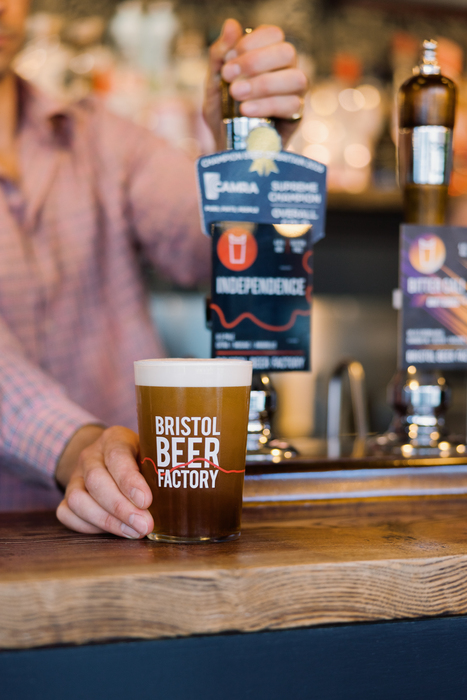
Bristol Beer Factory (BBF) is making the case for cask as the best value in the pub. Its pale ale Independence, CAMRA’s Champion Beer of Britain 2026, still sells for around £5 a pint, while cask volumes nationally have fallen by almost a fifth.
Bristol Beer Factory, which has brewed cask in south Bristol for more than 20 years, is calling on pubs and brewers to back cask as a draw for drinkers who are watching what they spend.
Independence, a 4.6% pale ale that has poured in Bristol pubs for 15 years, was named Champion Beer of Britain in May after two years of blind tasting. It is still served in pubs for around £5 a pint, making it one of the few national champions that most drinkers can afford every week.
Cask under pressure, and why it matters for pubs
Cask is having a hard time. Volumes fell 19.7% in the 12 months to August 2026, according to CGA by NIQ. Because cask can only be poured in a pub, its decline is tied to the pub’s: the British Beer and Pub Association expects around 360 pubs to close this year, roughly one a day.
BBF believes cask’s value is part of the answer. Draught beer carries a lower rate of duty than bottles and cans, and cask is often one of the cheaper pints on the bar next to premium lager and craft keg. A well-kept pint at a fair price gives drinkers a reason to come back to the pub, and to stay for a second.
Sam Burrows, managing director of Bristol Beer Factory, said: Our commitment to cask has never wavered. While many brewers have moved to keg, we have kept cask at the heart of what we do. Winning Champion Beer of Britain proves that a pint people can afford every week can also be the best beer in the country. Cask is king, and it gives people a reason to go to the pub.”
The case for affordable cask
BBF’s head of sales, Tom Clermont, argues that cask’s low price is one of its biggest strengths. He believes brewers should look beyond the margin on individual beers and focus on keeping cask on the bar for the long term, because affordability persuades pubs to stock more of it and drinkers to give it a try.
Tom Clermont, head of sales at Bristol Beer Factory, said: “Cask is fresh, it’s drinkable, and it’s something you can only get in a pub. It’s also a brilliant way to show off modern hops from the US, New Zealand and Australia. If we keep it good value, more pubs will pour it and more people will discover it.”
There are signs that a new generation is listening. Research ahead of this year’s Cask Ale Week found more 18 to 29-year-olds drinking in pubs that serve Bass, and landlords in Bristol report younger drinkers trying cask for the first time.
Twenty years of cask, and a brewery built around Bristol
BBF was founded in 2004 in the former Ashton Gate Brewery and now brews from a new 12,000 sq ft site in Ashton Vale. Cask remains central to its range, alongside its core beers, Everytime, Fortitude, Independence and Milk Stout and a rotating line-up of cask specials. This autumn, eight BBF cask ales headlined a tap takeover at the Tamworth Tap.
The brewery runs its own pubs across the city: the BBF Tap Room and Studio on North Street, the Barley Mow in St Philip’s, Junction at Wapping Wharf and the Pump House in Hotwells.
Through its Brewed to Give programme, BBF gives 2% of every brewery sale to Bristol charities and community groups. Since May 2023 it has raised more than £600,000 and the programme won the SIBA Community Engagement award in 2025 and 2026.
For more information: Learn more
The news on this page was provided by a third party. BevNET.com, Inc. does not verify, endorse, or vouch for any information or content submitted by third parties, or verify the identity, credentials, or expertise of third parties. Please consider carefully the source of all information and content provided by third parties on this website.